What Is an Online Dictionary
An online dictionary is a digital reference tool that provides word definitions, pronunciations, synonyms, antonyms, and usage examples. Unlike printed dictionaries that require flipping through pages, online dictionaries are instantly searchable. You type a word and receive comprehensive information in seconds. Modern online dictionaries often include audio pronunciation, multiple definitions, example sentences, and etymology — the word's origin and history. They can be updated as language evolves, adding new words and meanings that printed editions may not include until the next revision.

Dictionaries have been essential for writers, students, and readers for centuries. They help us understand unfamiliar words, spell correctly, check usage, and expand our vocabulary. The shift from print to digital has made dictionaries more accessible and powerful. You can look up a word while reading on your phone, during a lecture, or while writing. No need to keep a heavy volume on your desk. Online dictionaries also support features that print cannot: instant search, cross-references, and integration with other tools. The AI Detector and AI Checker on our homepage help identify AI-generated content; a dictionary, by contrast, helps you understand and use words correctly in any text.
AI-powered dictionaries take the concept further. Instead of relying on a fixed database of entries, they use language models trained on vast amounts of text. This allows them to understand context, provide nuanced definitions, and generate natural example sentences. They can handle new words, slang, and technical terms that may not yet appear in traditional dictionaries. The AI Detector App dictionary combines the structure of a reference tool with the flexibility of AI to deliver definitions, synonyms, antonyms, pronunciation, and examples for any word you look up.
What the Dictionary Provides
When you look up a word, the dictionary returns several types of information. Definitions are the core: clear, concise explanations of what the word means. Many words have multiple meanings depending on part of speech (noun, verb, adjective) or context. The dictionary lists these with labels so you can find the meaning that fits your use. Pronunciation is often given in IPA (International Phonetic Alphabet), which allows you to see how the word is pronounced even without audio. For example, "dictionary" might appear as /ˈdɪkʃəˌnɛri/.
Synonyms are words with similar meanings. They help you vary your vocabulary, avoid repetition, or find a more precise term. Antonyms are words with opposite meanings, useful when you want to express contrast or clarify. Example sentences show the word in context, making it easier to understand how to use it correctly. Etymology traces the word's origin — which language it came from, how it evolved, and what it originally meant. This often helps with spelling and remembering the word's meaning.
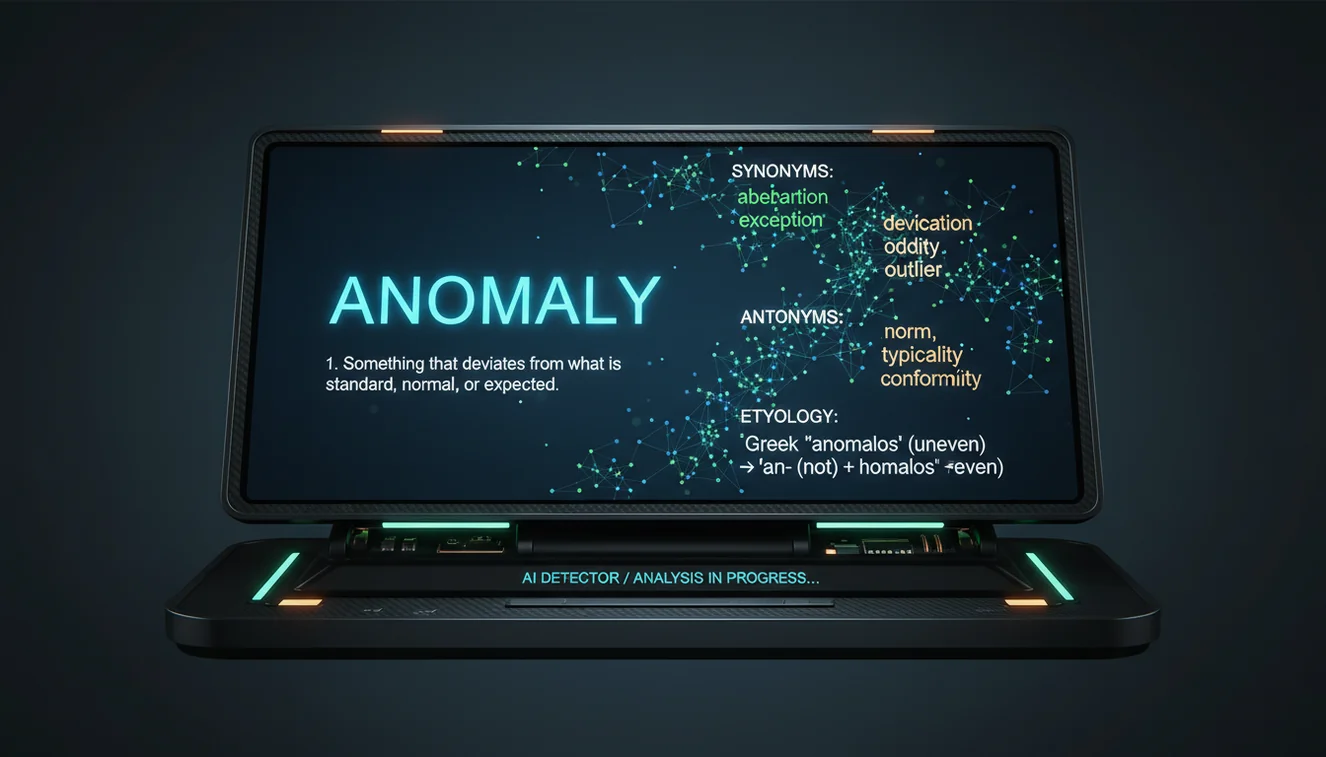
Together, these elements give you a complete picture. You learn not only what the word means but how to pronounce it, what words are related, and how it has been used over time. This is especially valuable for students building vocabulary, writers seeking the right word, and language learners improving their fluency.
Use Cases for Online Dictionaries
Students use dictionaries for reading assignments, essays, and standardized tests. When you encounter an unfamiliar word, a quick lookup clarifies the meaning and helps you follow the text. For writing, checking definitions ensures you use words correctly. Synonyms help you avoid repeating the same word and add variety to your prose. Etymology can make memorization easier by connecting new words to roots you already know.
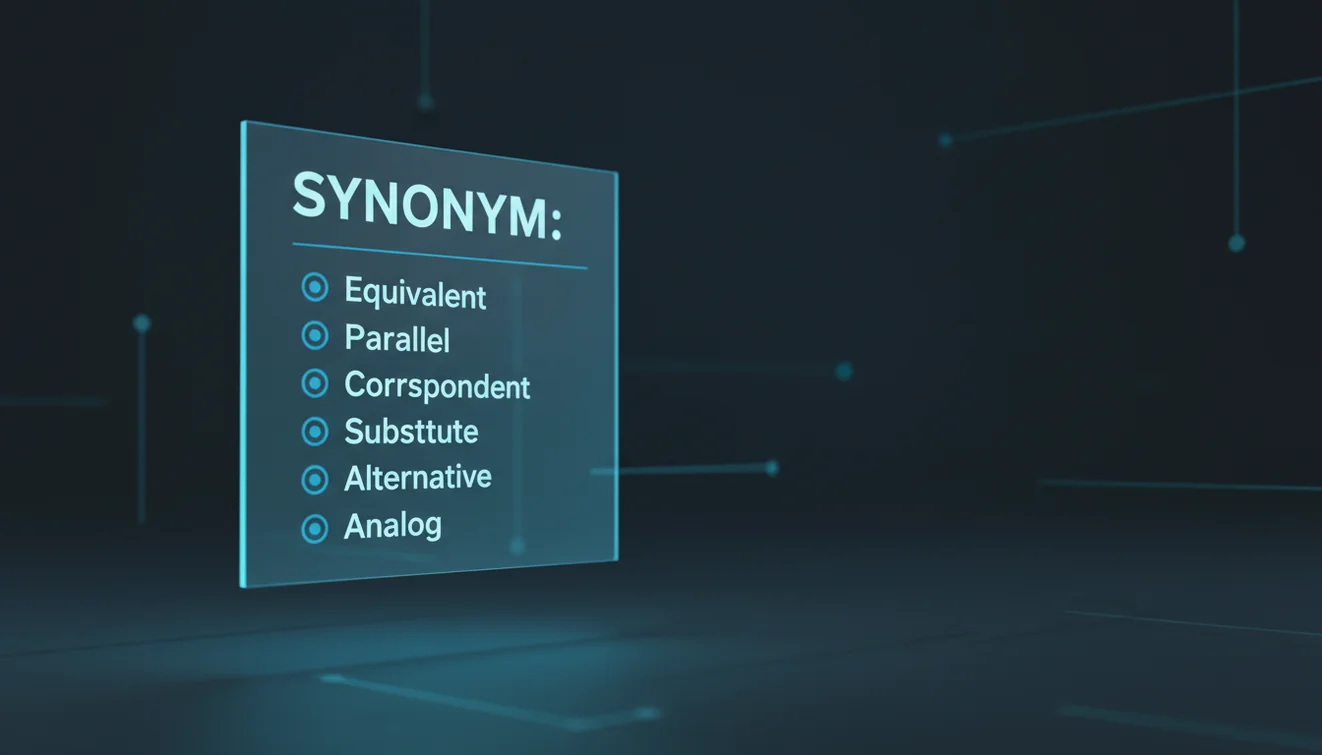
Writers and editors use dictionaries to verify correct usage, check spelling, and find alternatives. Is it "affect" or "effect"? "Principal" or "principle"? A dictionary resolves these. When a word feels overused, synonyms suggest fresher options. Professionals use dictionaries for technical writing, legal documents, and correspondence where precision matters. Job applicants use them to polish resumes and cover letters.
Language learners rely on dictionaries to build vocabulary and understand usage. Example sentences show how words function in real sentences. Pronunciation helps with speaking. Non-native speakers use dictionaries to decode unfamiliar text and produce more natural-sounding writing. The instant access of online dictionaries makes them ideal for learning on the go.
AI Dictionaries vs. Traditional Dictionaries
Traditional dictionaries are compiled by lexicographers who research definitions, usage, and etymology. They are authoritative but may lag behind rapid changes in language. New words, slang, and technical terms take time to be added. AI dictionaries use large language models trained on vast amounts of text. They can provide definitions for a broader range of terms, including neologisms and domain-specific vocabulary. They generate example sentences that sound natural and contextually appropriate.
AI dictionaries have limitations. They may occasionally produce definitions that are slightly off or miss rare senses. For critical applications — legal, medical, academic — cross-checking with established references is wise. Traditional dictionaries remain the gold standard for formal citation. AI dictionaries excel at quick lookups, learning, and everyday writing. Use both when appropriate: AI for speed and breadth, traditional for precision and authority.
AI Detector App combines the convenience of instant lookup with AI-powered analysis. You get definitions, synonyms, antonyms, pronunciation, and examples in one place. The format is clear and easy to scan. Whether you are writing an email, studying for a test, or simply curious about a word, the dictionary is ready when you need it.